Category: Guides
-

Shopware MCP Server: Native vs datavessel — Which One for Your Shop?
Shopware 6.7.14 ships a native MCP server. Here is what it does, what it does not, and when datavessel’s Shopware MCP is the better connection for Claude or ChatGPT.
-

Judge.me MCP: Connect Claude or ChatGPT to Your Product Reviews
Connect Claude or ChatGPT to Judge.me via MCP: triage reviews, draft public and private replies, curate and request reviews — every send behind your approval.
-

What Is an Agentic Commerce Platform?
Agentic commerce platforms come in two kinds: checkout rails that let AI agents pay, and seller-side platforms that make stores agent-ready and agent-run. How to choose.
-

Google Merchant Center MCP: Connect Claude or ChatGPT to Your Product Feed
Connect Claude or ChatGPT to Google Merchant Center via MCP: feed health, disapproved products, price insights, and promotions — reads free, writes behind your approval.
-

How to Manage Multiple WooCommerce Stores (Without N WordPress Admins)
Multisite rarely fits client work — agencies run separate WooCommerce installs. How to operate many stores: one inbox, per-store policies, one ledger, no new plugins.
-

How to Manage Multiple Shopify Stores (Without Living in Store Switchers)
Expansion stores cover one brand’s markets; agencies juggle separate Shopify stores per client. How to run many stores — one inbox, per-store policies, one ledger.
-

How to Manage Multiple Shopware Stores (Without Multiplying Your Team)
Sales channels cover one brand’s storefronts; agencies run separate Shopware instances per client. How to operate many shops — one inbox, policies per store, one ledger.
-

How to Connect ChatGPT to Your WooCommerce Store (No Plugin Required)
Connect ChatGPT to WooCommerce in two minutes with no plugin: live orders and products, GA4 and ads in the same chat, and every change approved by you before it lands.
-

How to Connect ChatGPT to Shopify: Official App vs datavessel
Two ways to connect ChatGPT to Shopify in 2026: the official Shopify app inside ChatGPT, or datavessel’s MCP connector with approvals, a ledger, and ads and analytics in one chat.
-
How to Connect ChatGPT to Your Shopware Shop (No Plugin Required)
Connect ChatGPT to Shopware in two minutes via MCP. Read orders and products, draft German product copy, and approve every change — no plugin needed.
-

Your Shopware Categories Are Guessing at Keywords. An Agent Can Stop the Guessing.
Shopware category SEO done by an AI agent: it joins Search Console queries to your catalog, drafts meta titles and search terms, and waits for your approval to write.
-

How to Get Your Product Recommended by ChatGPT
Product-level AEO in 5 steps: derive the 3–5 buying queries your product must win, see who wins them today, close the PDP gaps, and re-scan. Per product, not per brand.
-

AEO for Shopify: Getting Your Products Into AI Answers
AEO for Shopify: product schema via your theme, answer-rich product pages, honest availability — what agents execute vs what ships as drafts.
-

AEO for Shopware: The Shop That Fixes Its Own Citations
AEO for Shopware: product schema, SEO URLs, CMS answer pages — executed by agents through the Admin API, draft-first.
-
AEO for WordPress: From Tracked Gaps to Executed Fixes
AEO for WordPress: answer-first structure, schema without plugin soup — and agentic fixes executed draft-first on your own site. The working setup.
-

What Is an Approval Gate?
An approval gate pauses an AI agent’s consequential actions — exact change plus reasoning on one card — until a human approves. What a real one must include.
-

How to Win Chargeback Disputes with Evidence Packs
Most chargebacks are lost by default. The evidence pack method: what to include per reason code, deadlines, and how agents assemble packs in minutes.
-

What Is an AI E-commerce Team?
An AI e-commerce team is specialized agents run like staff — operator, marketer, builder — coordinated by a lead, gated by your approvals. What it is and who should hire one.
-

The Two Sides of Agentic Commerce
Agentic commerce isn’t just AI buyers — sellers get agents too. Why stores serving machine-speed shoppers need machine-speed operations, and how the two sides meet.
-

Agentic Checkout, Explained for Merchants
Agentic checkout lets an AI assistant complete purchases on a buyer’s behalf — mandates, payment protocols, and what it means for your funnel, margins, and data.
-

How to Prepare Your Store for AI Shopping Agents
AI agents already recommend and buy products. The 7-step readiness audit: product schema, feeds, citations, operational truth, policies, interfaces, measurement.
-

Agentic Commerce: How Store Owners Prepare for AI Buyers
Agentic commerce is shopping done by AI agents — finding, comparing, buying. What’s live, how agents see your store, the readiness checklist, and the checkout economics.
-

What Is an AEO Harness?
An AEO harness turns an AI model into a safe, continuous answer-engine-optimization operator: fixed query set, scheduled citation scans, draft-first fixes, verification, ledger.
-

AEO from the Command Line: Track AI Citations in Your Terminal
Run the whole AEO loop from a terminal: pull GSC data, scan ChatGPT & Claude for citations, find gaps, execute fixes, verify. The exact commands, start to finish.
-
Run Your Store from the Terminal: A 90-Second Morning Check
Setup in 5 minutes, then a real terminal session: sales health, stock risks, search wins, ad waste, and one gated fix — your whole morning store check in 90 seconds.
-
The E-commerce CLI: Run Your Store from the Terminal
An e-commerce CLI runs your store from the terminal — query sales, analytics, and inventory; execute gated changes; script everything. The operations CLI, defined.
-
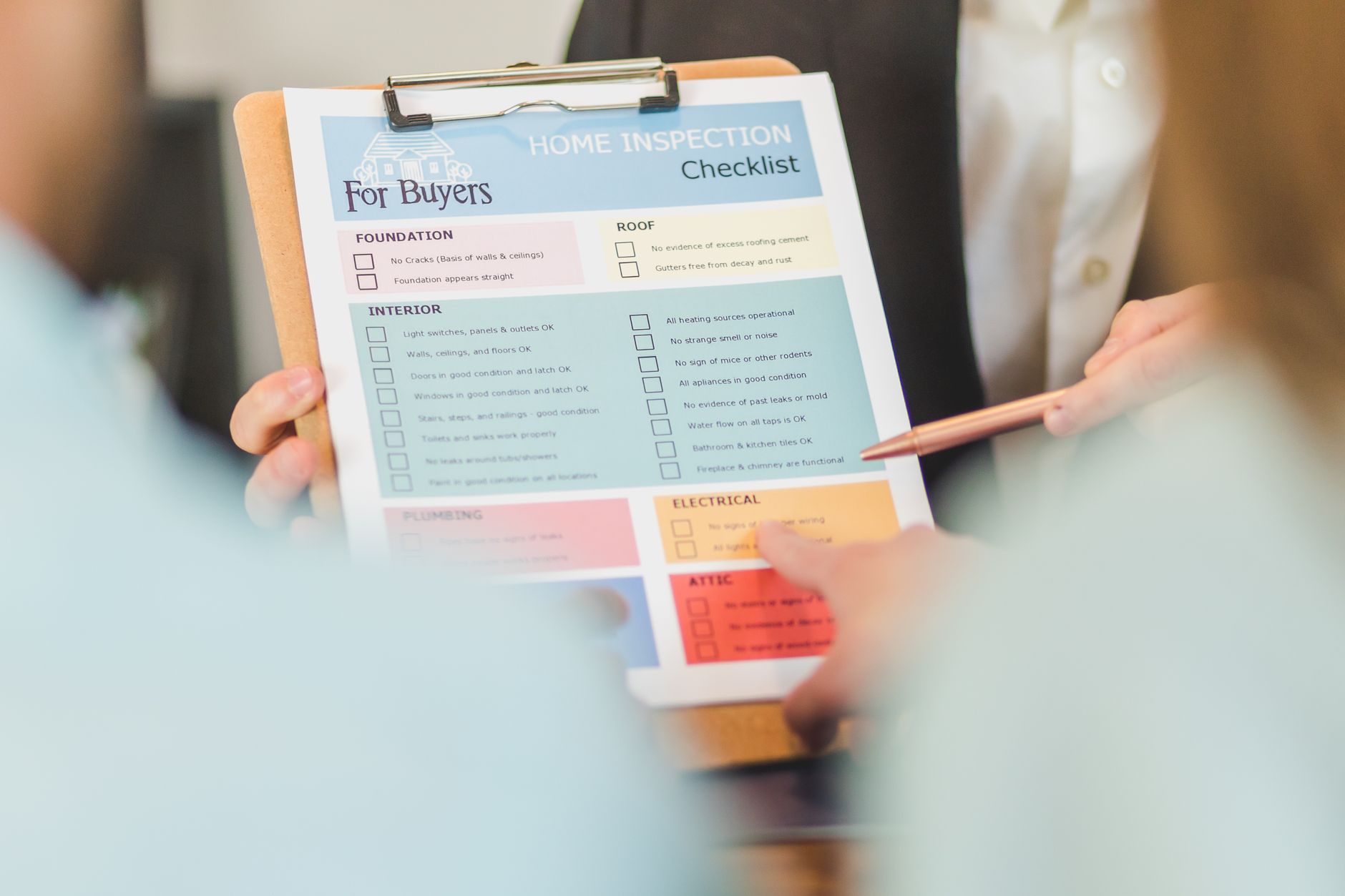
How to Evaluate an E-commerce Agent Harness: 10 Questions
Before you connect AI to your store, ask these 10 harness questions: tool list, approval gates, hard limits, ledger, schedules, model-agnosticism, and more.
-

E-commerce Harness vs E-commerce Autopilot: Two Words, One System
The harness is the machinery — typed tools, approval gates, ledger. Autopilot is the experience — a store that runs itself with you in command. Why both words matter.
-

What Is an E-commerce Harness?
An e-commerce harness is the layer that turns an AI model into a safe store operator — typed tools, approval gates, audit ledger, schedules. The full anatomy.
-
How to Get Your Brand Cited by ChatGPT & Perplexity
Getting cited by AI assistants comes down to 7 steps: be crawlable, answer first, one question per page, add schema, get corroborated, stay fresh, track and iterate.
-

How Much Does AEO Software Cost?
AEO software runs from ~$30/month for basic citation tracking to $500+/month for enterprise platforms. The 4 pricing models, what drives cost, and hidden fees to avoid.
-

AEO vs SEO: The Actual Difference (and Why You Need Both)
SEO earns rankings and clicks; AEO earns citations and recommendations inside AI answers. Where they overlap, where they diverge, and how to sequence both in 2026.
-

AEO Tracking & Checking Software: The 6 Metrics That Matter (2026)
AEO tracking means measuring 6 things: citation share, per-assistant coverage, answer position, competitor share, sentiment accuracy, and change alerts. How to track each.
-
Answer Engine Optimization (AEO): The Complete 2026 Guide
Answer engine optimization (AEO) is how brands earn citations in ChatGPT, Perplexity & AI Overviews. What it means, how engines pick sources, the playbook, tracking & costs.
-

What Is MCP for E-commerce?
MCP (Model Context Protocol) is the standard that lets AI assistants like Claude safely use your store’s real data and tools. What it means for merchants — no jargon.
-

Connect Claude to WooCommerce
Connect Claude to your WooCommerce store with MCP: paste one URL, sign in with OAuth, and Claude reads live products and orders — and edits them with your approval.
-

Connect Claude to Your Store: The Complete MCP Guide
Connect Claude to your e-commerce store with MCP: 2-minute setup, live reads of products and orders, writes with your approval. The complete guide for all platforms.
-

Why Did My Shopify Sales Suddenly Drop?
A sudden Shopify sales drop is almost always one of 7 causes: stockouts, checkout breakage, traffic loss, ad changes, price/competitor moves, seasonality, or tracking. The 20-minute diagnosis.
-

How to Stop Running Ads to Out-of-Stock Products
Ads pointing at sold-out pages burn budget for zero possible sales. Three fixes ranked: manual audits, feed rules, and an agent that pauses them for you — plus prevention.
-

Is It Safe to Let AI Make Changes to Your Store?
Yes — if reads and writes are treated differently. How the approval gate works, the actions AI should never take alone, and the safety checklist to demand.
-

Is E-commerce Autopilot Worth It?
Worth it if leaks and busywork cost you more than ~$40–120/month — which they almost certainly do. The break-even math, who shouldn’t buy, and how to test it free.
-

How Much Does E-commerce Autopilot Cost?
E-commerce autopilot runs $0–$299/month depending on stores, sources, and agents — plus $5–25/month if you bring your own AI key. Full tier-by-tier breakdown.
-

E-commerce Autopilot vs Hiring a Virtual Assistant
A VA brings human judgment for $300–1,200/month, part-time. Autopilot brings 24/7 coverage across your whole stack from $39/month. The honest comparison, job by job.
-

How to Automate Abandoned Cart Recovery
7 in 10 carts abandon. Basic reminder flows recover some — an agent that segments who to chase, drafts the message, and knows who NOT to email recovers more. Setup guide.
-

What Does an AI Ecommerce Agent Actually Do? An Unedited Morning Report
We published our AI agent team’s morning report, unedited — what it fixed, what it refused to touch, and why every write waited for human approval.
-
A Team of Agents in Your Terminal: the datavessel Plugin for Claude Code
The datavessel CLI now ships a Claude Code plugin with four purpose-built agents — autonomous readers, a write agent that asks first, and an independent verifier — over 200+ typed commerce tools. Plus: headless API-key sign-in for CI and agent sandboxes.
-

Hire a Team, Not a Tool: Meet datavessel Teams
datavessel Teams are hireable AI teams for your store — a lead agent dispatches specialists across ads, analytics, commerce, and support, asks before risky writes, and delivers one report.
-

Coming Soon: Cold Email in datavessel — With One-Click Gmail
Cold email is coming to datavessel — send from your own Gmail in one click, no third-party tool or per-email markup. A first look at connecting your inbox, writing sequences, and running campaigns on autopilot.
-

What Is E-commerce Autopilot?
E-commerce autopilot is software that runs your store’s operations on its own — detecting problems, fixing what’s safe, and asking approval before anything risky. Here’s how it works.
-

Lifetime Value Beats Acquisition Cost: Customer Cohort Insights for E-Commerce
Acquisition cost tells you what a customer costs; LTV tells you what they’re worth. How cohort and lifecycle insights reveal which channels bring loyal, high-value buyers.
-

Where Your Checkout Is Leaking Money: Funnel Leak Detection for E-Commerce
Cart abandonment rarely shows up in the average — it hides in a segment. How to find the device, browser, or payment failure that’s quietly draining your checkout revenue.
-

Revenue Is a Vanity Metric: Which Products Actually Make Money
Your best-selling product might be your worst. Why store owners should rank by profit — not revenue — and where hidden margin killers like shipping, returns, and discounts hide.
-

Why Did Revenue Drop 18% Yesterday? Root-Cause Analysis for E-Commerce
Dashboards show you revenue fell — not why. Here’s how root-cause analysis explains a revenue drop across traffic, stock, conversion, and deploys in one plain-English answer.
-

The Silent Revenue Leak: How Inventory Blind Spots Cost E-Commerce Stores
Stockouts and untracked inventory quietly drain revenue while your dashboards look fine. Here’s how to spot the blind spots in seconds — and ask your store a plain-English question instead of digging through admin panels.
-

AI Agent Operating Model for SMBs
AI agent operating model for SMBs: define ownership, approvals, logs, metrics, and review cadence before scaling agents.
-
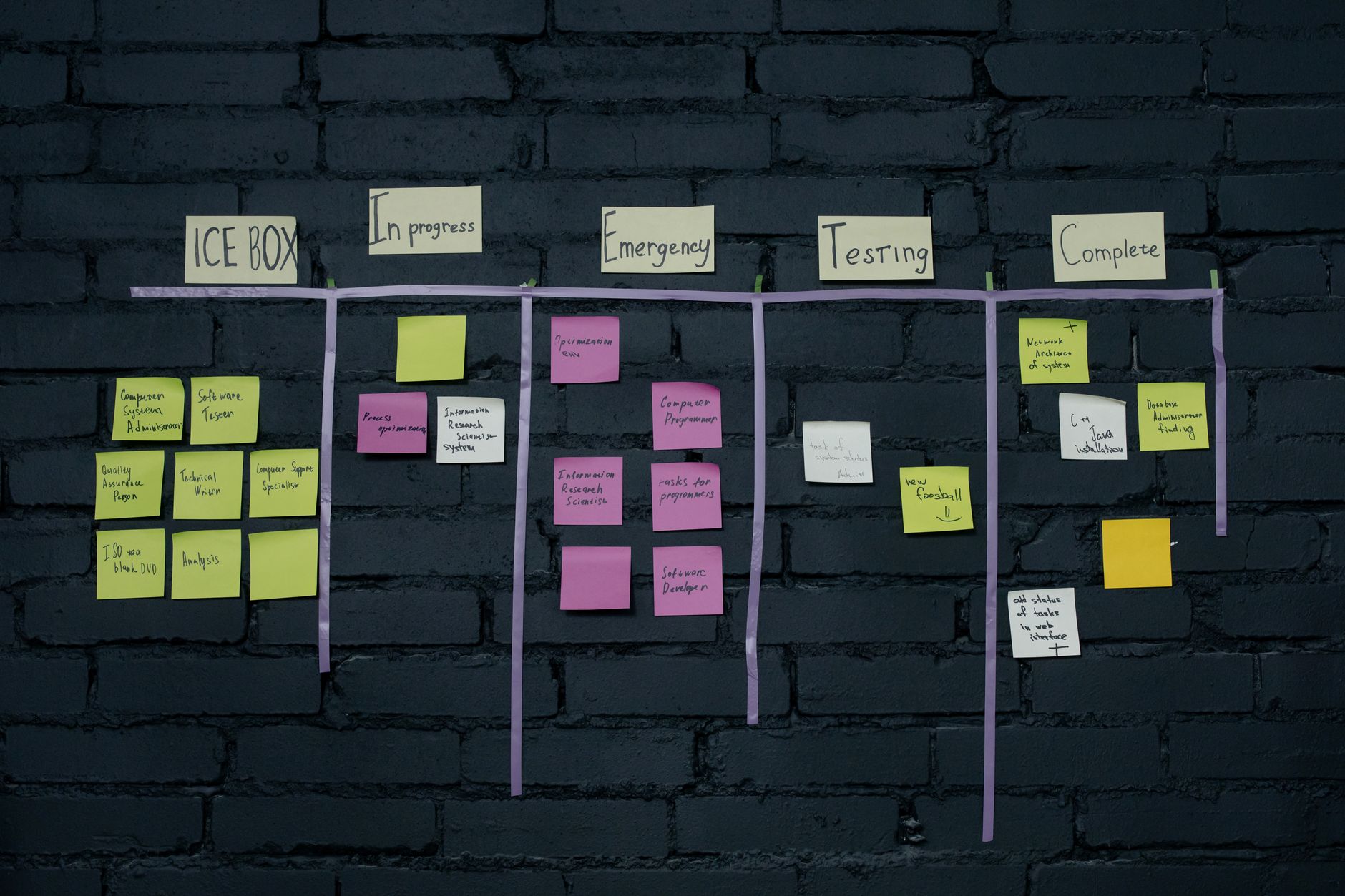
AI Agent Implementation Roadmap for SMBs
AI agent implementation roadmap for SMBs: use a 30-60-90 day plan to pilot agentic workflows safely, measure ROI, and scale.
-
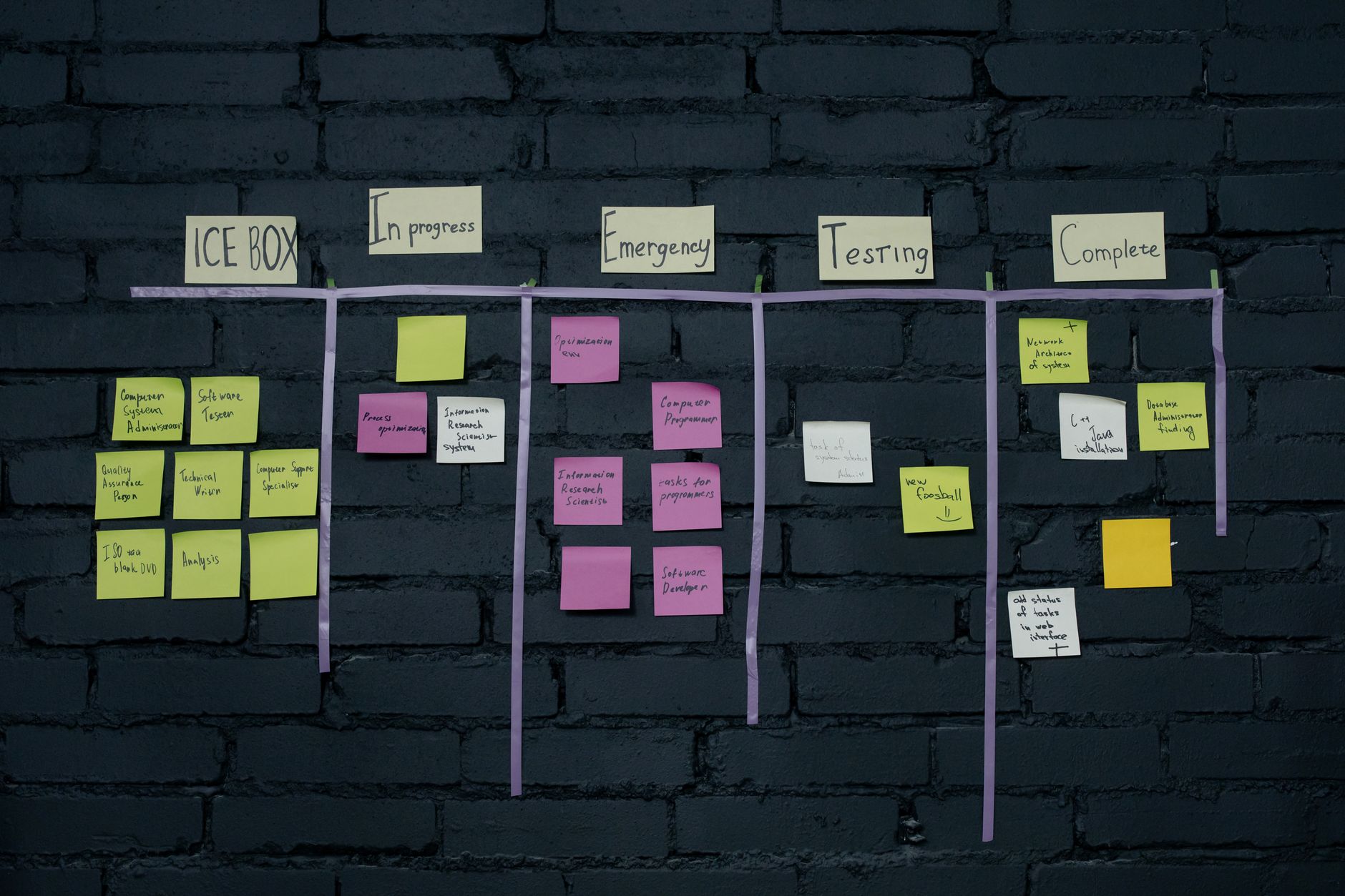
AI Delegation Matrix for Small Business
AI delegation matrix for SMBs: score tasks by repeatability, risk, data readiness, and ROI before giving agents more work.
-

AI Agent Audit Trails: What to Log, and Why Approvals Beat Logs
An AI agent audit trail records every run, action, and approval. What a real one must contain, why write-gating beats after-the-fact logs, and a checklist for SMBs.
-

AI Agent ROI: SMB Measurement Guide
AI agent ROI for SMBs: measure time saved, cycle time, completion rate, rework, and cost with a simple 30-day workflow scorecard.
-

Connect Shopware to Claude in 5 Minutes (No-Code MCP Guide)
Connect Shopware to Claude without writing code: a 5-minute setup using DataVessel as the MCP bridge, 10 questions to ask your shop, and when to allow writes.
-

AI Agent SOPs for Small Business
AI agent SOPs for small business: 5 copy/paste workflow templates for safer agentic automation, approvals, and busy-work delegation.
-
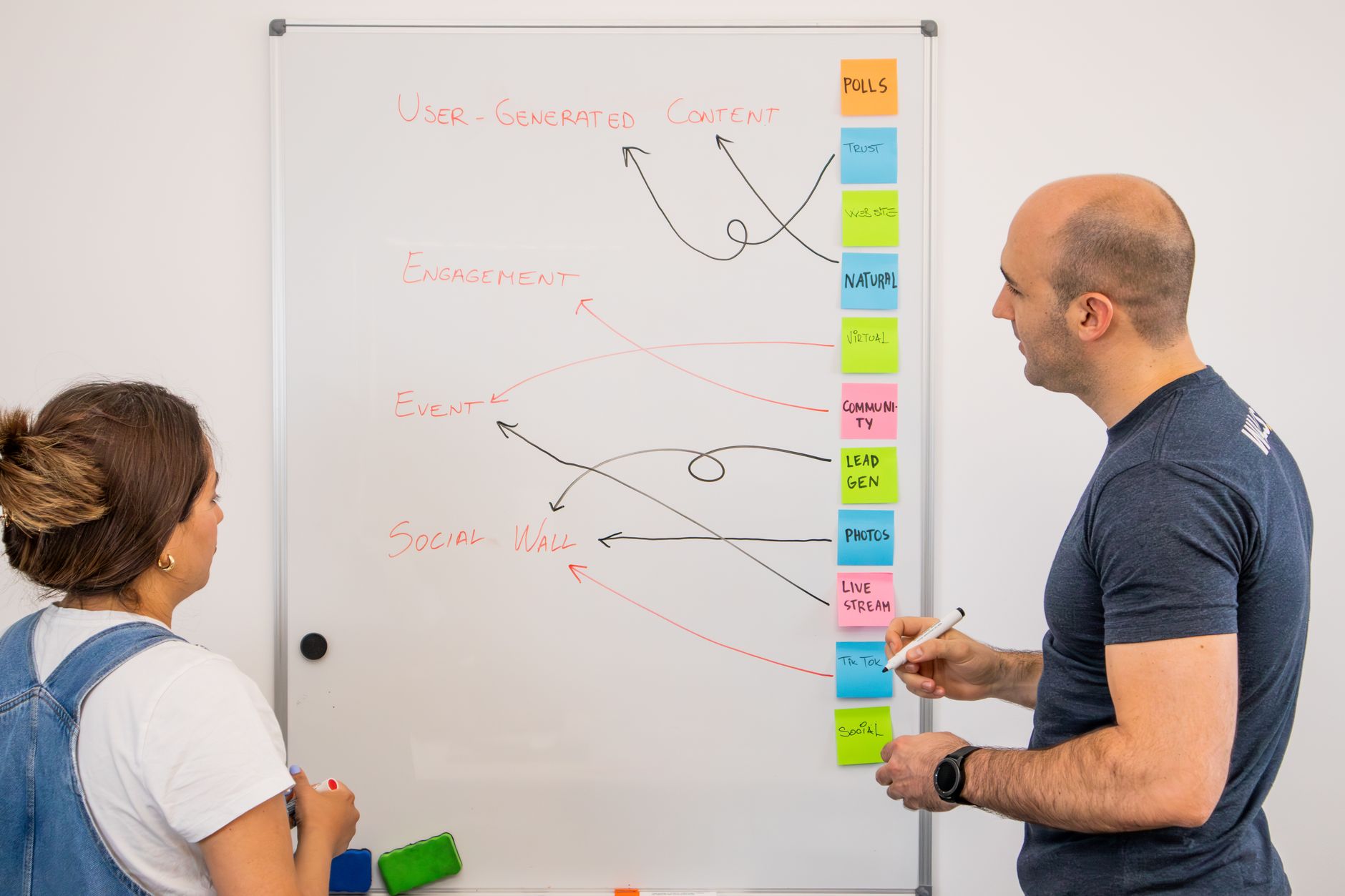
Multi-Agent Workflows for Small Business
Multi-agent workflows for small business split busy work into specialist AI roles so teams save time without losing control.
-

Human in the Loop AI Agents: SMB Guide
Human in the loop AI agents help SMBs delegate busy work safely with approval tiers, audit trails, and clear risk rules.
-

AI Agents for Busy Work: 7 SMB Workflows
AI agents for busy work: 7 repeatable SMB workflows to offload safely with context, approval gates, and measurable productivity gains.
-

AI Agents vs Automation: What SMBs Should Use First
AI agents vs automation: use rules for predictable work, agents for judgment, and approvals for risky SMB workflows.
-

Back Office AI Agents for Small Business
Back office AI agents for small business: automate reporting, invoices, CRM cleanup, and inventory checks with safe approval gates.
-

AI Agent Readiness Checklist for SMBs
AI agent readiness checklist for SMBs: choose safe workflows, set approval gates, limit tool access, and measure productivity gains.
-

Agentic Workflow Examples for SMBs
Agentic workflow examples for SMBs: reporting, SEO, support, inventory, invoices, and meetings—plus guardrails for safe AI agents.
-

AI Agent Productivity: Where the Real Gains Are and How to Measure Them
AI agent productivity means assigning software measurable work, not asking it questions. Where agents create the biggest gains and how to measure the impact.
-

LLM Citation Tracking: Why One AI Mention Isn’t Data
LLM citation tracking measures how often AI systems cite your site across repeated prompts. Learn why one AI mention is not a visibility strategy.
-

Connect Shopify to Claude: 12 Questions That Save Hours
Connect Shopify to Claude and ask these 12 plain-English questions to skip the dashboard. Revenue, inventory, customers, marketing — answered in seconds.
-

AEO AI: What It Means (and How to Measure It With GSC + Slack Alerts)
AEO AI = showing up in AI answers. Here’s the definition, AEO vs SEO vs GEO, and a practical way to measure progress using GSC + Slack alerts (no new tools).
-

AEO Software: What It Is, the 5 Types, and How to Choose in 2026
AEO software tracks whether ChatGPT, Perplexity, Gemini, and AI Overviews cite your brand. The 5 tool types, what they must measure, and a buyer checklist.
-

SEO Growth Autopilot: AI Agent That Writes Blog Posts While You Sleep
SEO Growth Autopilot is an AI agent that finds trending keywords, writes optimized blog posts, and learns from results. Like a junior SEO marketer who works 24/7.
-

Information Gain SEO: Why Repeating Competitors Gets You Demoted
Information Gain measures how much new knowledge your page adds after a user has seen competitors. If your score is zero, you rank lower—regardless of backlinks.
-
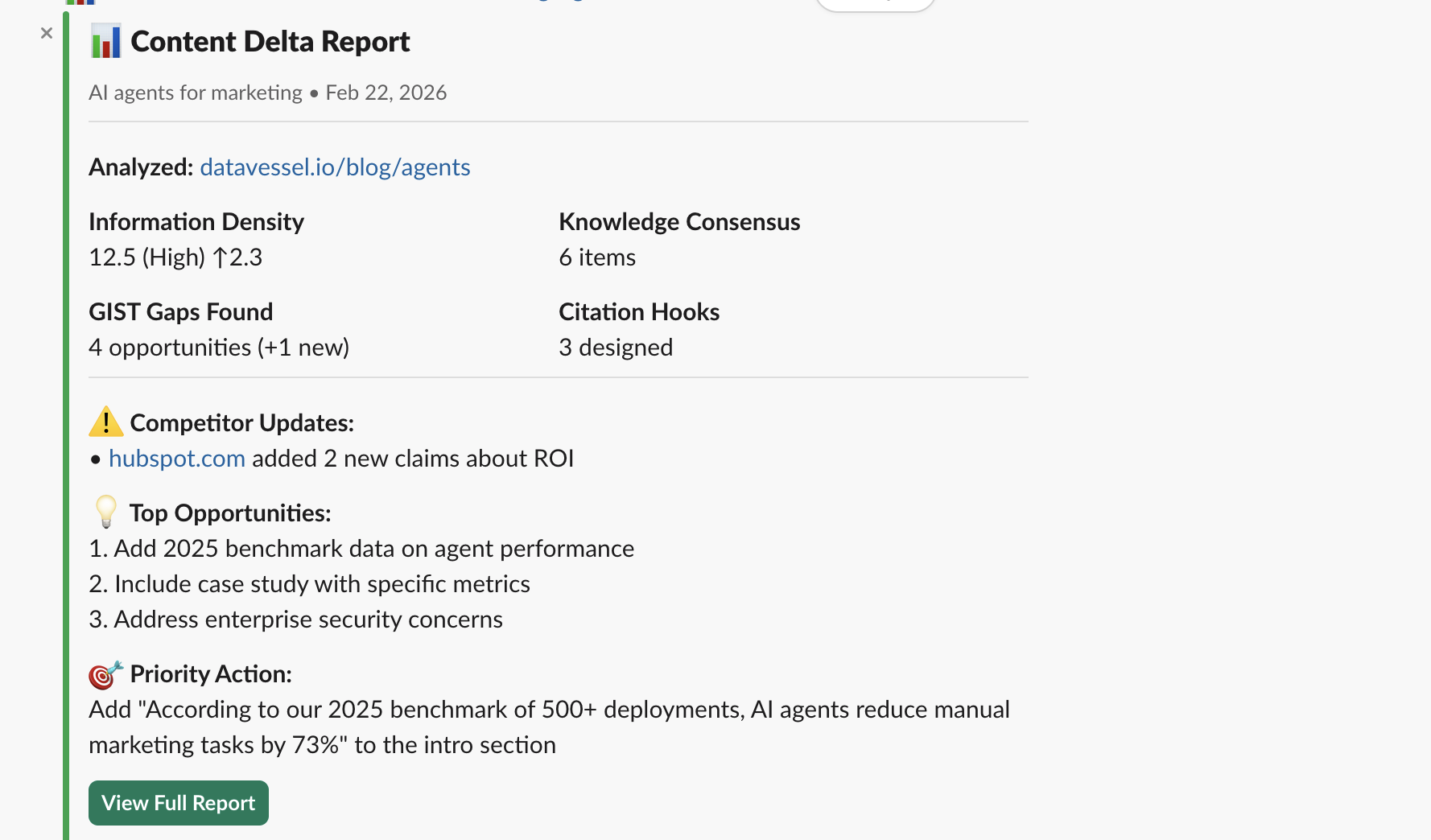
New Agent: Content Delta Monitor
The Content Delta Agent analyzes your content against competitors, calculates your Information Density score, and tells you exactly what to add to rank in both Google and AI answers.
-
How to Get Cited by ChatGPT: The Extraction Box Method
LLMs don’t read your whole page—they scan for high-density fact blocks. Learn the Extraction Box technique to increase your ChatGPT citation probability.
-
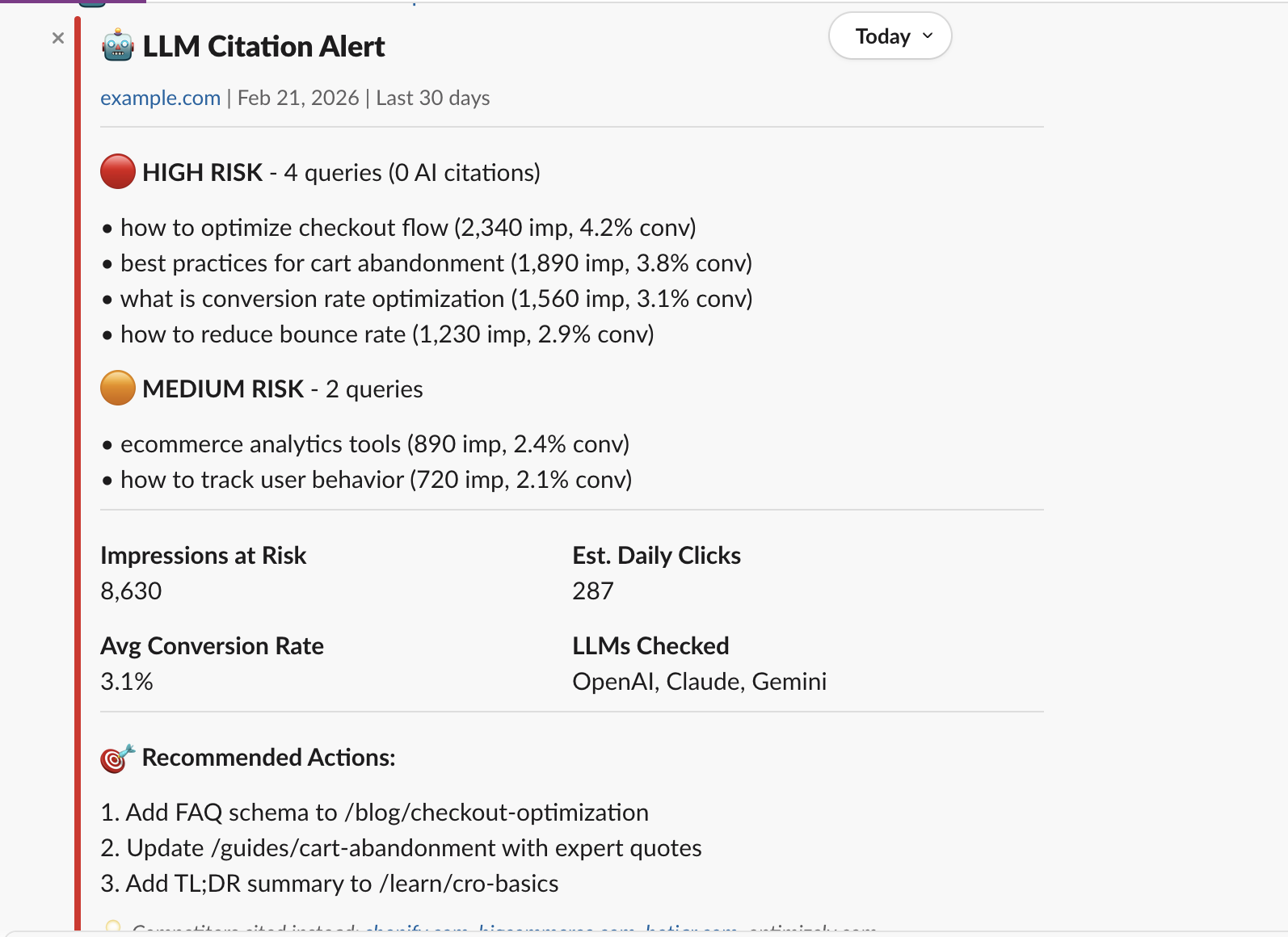
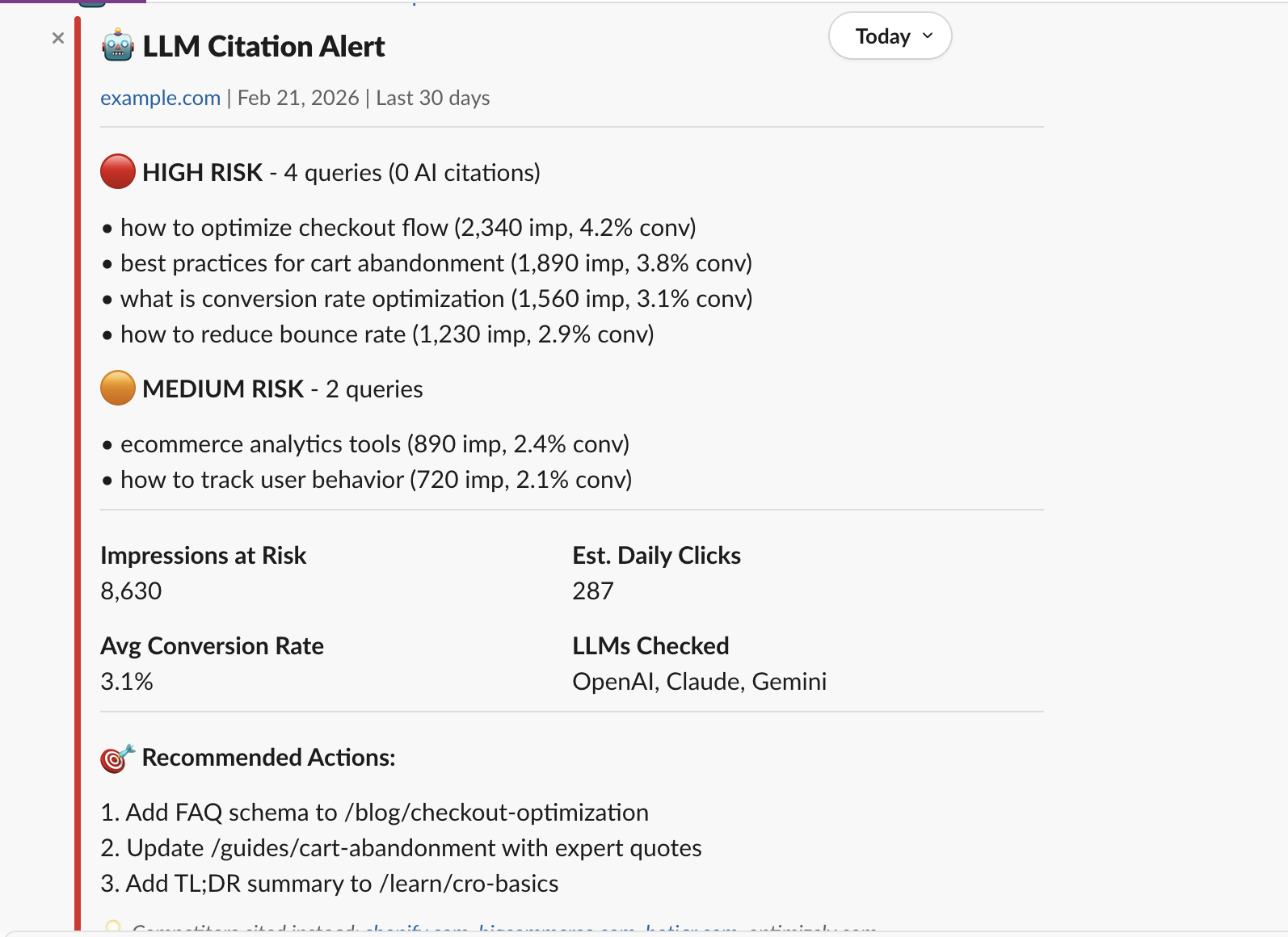
New Agent: LLM Citation Alerts
The LLM Citation Agent monitors queries where you rank in Google but get zero AI citations, then posts AEO insights and recommended fixes to Slack.
-
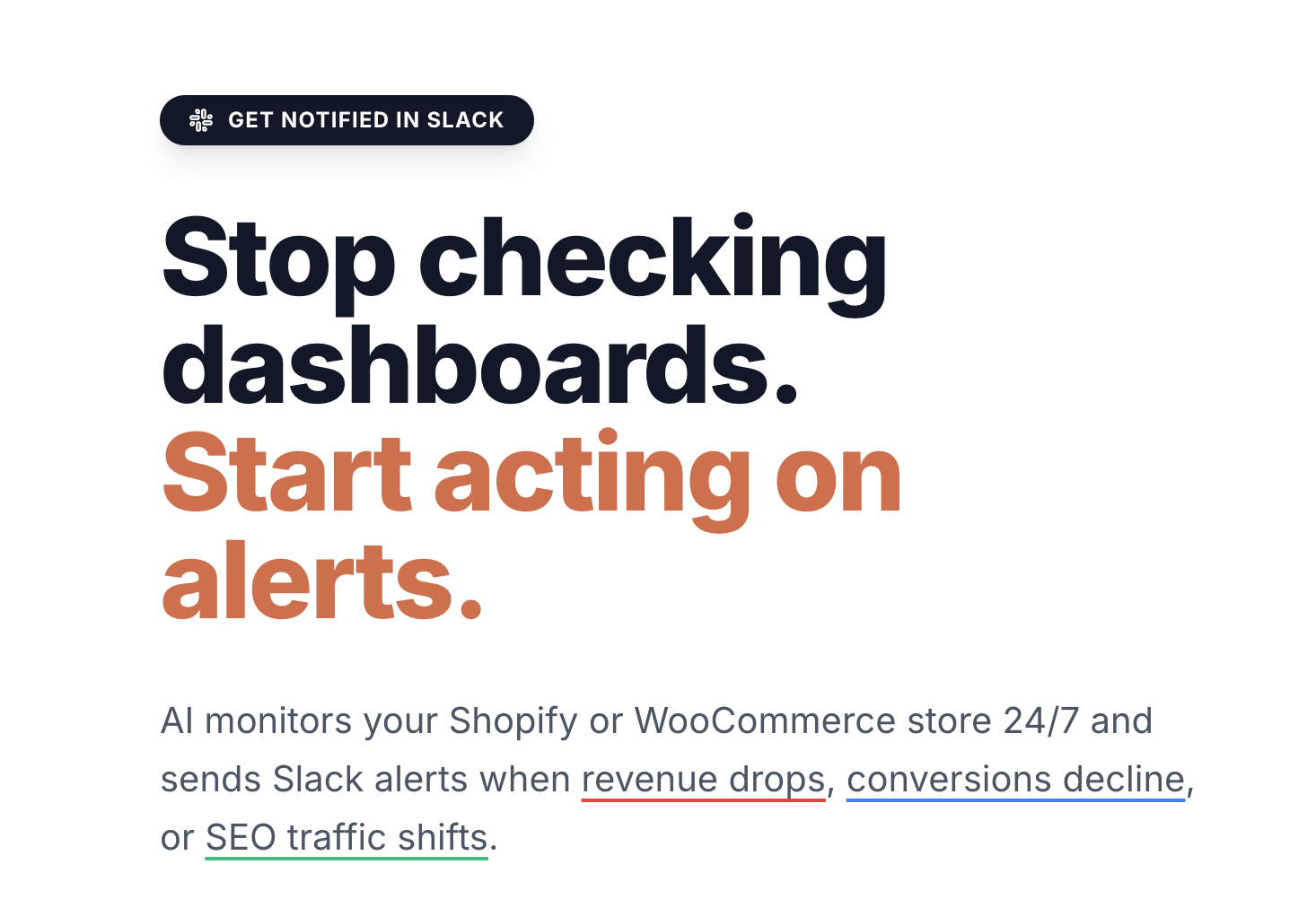
Stop Checking Dashboards. Start Acting on Alerts.
AI monitors your Shopify or WooCommerce store 24/7 and sends Slack alerts when revenue drops, conversions decline, or SEO traffic shifts. Now in beta.
-
Chrome’s WebMCP Validates What We Knew: The Future Runs on MCP
Google Chrome’s new WebMCP standard for AI agents validates datavessel’s early investment in MCP protocol. Here’s why this matters for the agent ecosystem.
-

OpenClaw Founder Peter Steinberger Joins OpenAI
Peter Steinberger, creator of OpenClaw, joins OpenAI to lead next-gen AI agents. OpenClaw moves to a foundation and stays open source.
-

Slack Daily Summary Agent: Never Miss What Matters
The Slack Daily Summary agent reads all channels, extracts action items and decisions, and posts a summary to your team. Saves 30-60 minutes daily.
-

Set It and Forget It: Automate Reporting with Scheduled Agents
DataVessel Pro now supports scheduled agents. Automate daily revenue reports, weekly analytics summaries, and monthly audits with timezone support.
-

Agent Platform Updates: Multi-Source Workflows and Smarter Agents
DataVessel agents now support multi-source workflows and auto-detection of tools. Run analytics and post results to Slack in a single agent.
-
DataVessel: From MCP Server to Full AI Agent Platform
DataVessel evolves from MCP server to full AI agent platform. Automate analytics, SEO monitoring, and e-commerce insights with built-in and community agents.
-
GA Expert Analysis: Guided Prompts for Google Analytics
DataVessel adds four guided prompts for Google Analytics. Run traffic audits, acquisition analysis, content performance, and conversion funnels with one click.
-
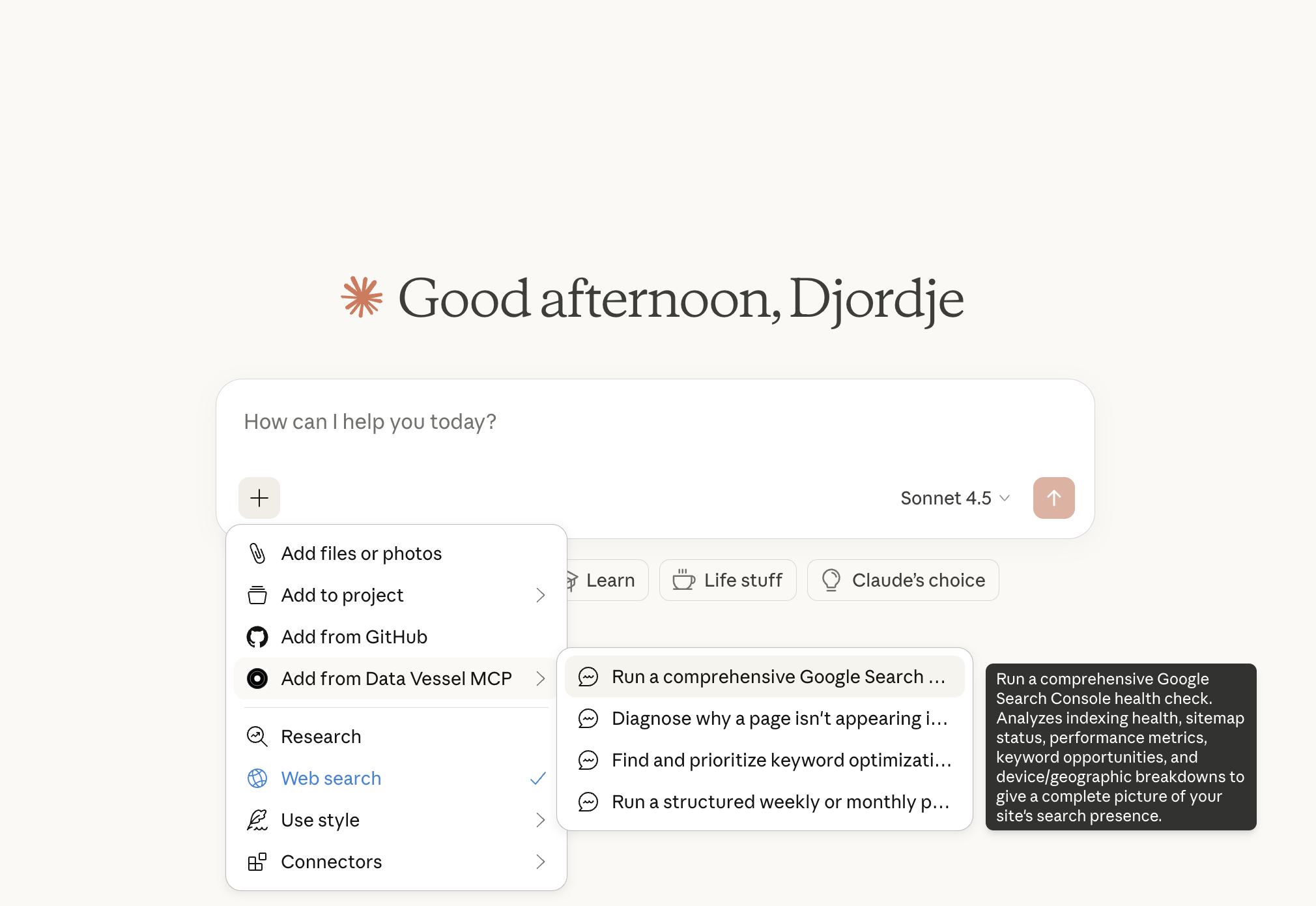
GSC Expert Analysis: One Click in Claude Desktop or Mobile
DataVessel’s GSC prompts bring expert-level SEO analysis to Claude Desktop and Mobile. Select a prompt, get comprehensive insights. No manual tool calls needed.
-
GSC Agentic Prompts: Guided SEO Workflows in DataVessel
DataVessel now offers agentic prompts for GSC. Run complete SEO audits, diagnose indexing issues, and find keyword opportunities with guided workflows.
-
New GSC Tools: URL Inspection & Sitemap Details
DataVessel adds URL inspection and sitemap analysis tools for Google Search Console. Check indexing status, diagnose crawl issues, and analyze sitemaps conversationally.
-

Universal Commerce Protocol: What Store Owners Must Know
The Universal Commerce Protocol lets AI agents buy from your store. Learn what UCP means for merchants, how to prepare, and why it matters for your business.
-
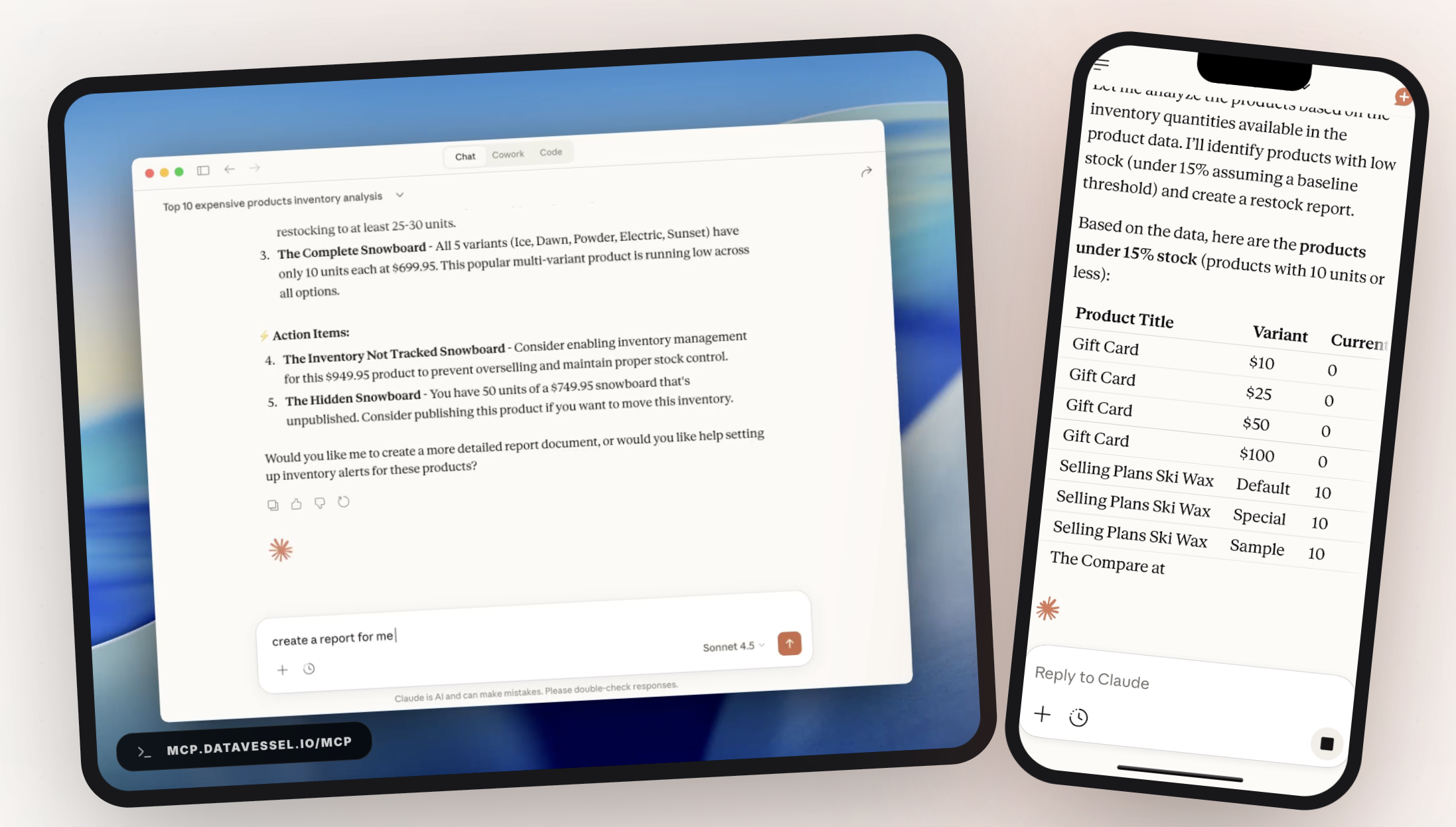
Early Access Promo: First 100 Users Get 3 Months Pro—Free
DataVessel early access promo is live. First 100 users get 3 months Pro free. Seats are being claimed—register now to secure yours.
-
DataVessel MCP: From Generic Chatbot to Business Intelligence Partner
DataVessel MCP transforms Claude from a generic chatbot into an AI business analyst. Structured responses, historical context, and actionable insights—not data dumps.
-

The Future of E-commerce: Your Phone, AI, and Complete Freedom
The future of e-commerce means running your business from anywhere. AI handles data, you make decisions. No office required—just your phone and vision.
-
Connect Claude to Shopify: 3 Ways Compared (One Takes 5 Minutes)
Three ways to connect Claude to Shopify — the AI Toolkit for devs, MCP servers, or the 5-minute no-code route. Which fits you, plus 10 questions to ask first.
-

Anthropic Uses Super Bowl to Mock OpenAI’s Ad-Supported ChatGPT
Anthropic’s Keep Thinking campaign debuts at Super Bowl 2026, mocking OpenAI’s ChatGPT ads with darkly comic spots. Claude promises to stay ad-free.
-
Perplexity’s $34.5B Chrome Bid: Strategic Play or Stunt?
Perplexity’s $34.5 billion Chrome bid targets Google’s browser monopoly. With DOJ appeals ongoing, the AI search race just got more interesting.
-

The Future of Coding Is Agentic: Apple, OpenAI, Anthropic Proof
Agentic coding is reshaping software development. Apple’s Xcode 26.3, OpenAI Codex, and Claude Code show why AI agents—not copilots—are the future of programming.
-

How to Structure Your Content So AI Actually Cites You
LLM SEO isn’t keyword stuffing—it’s writing content that AI can quote. Use these citation-friendly phrasing patterns, TL;DR blocks, and FAQs to get cited.
-
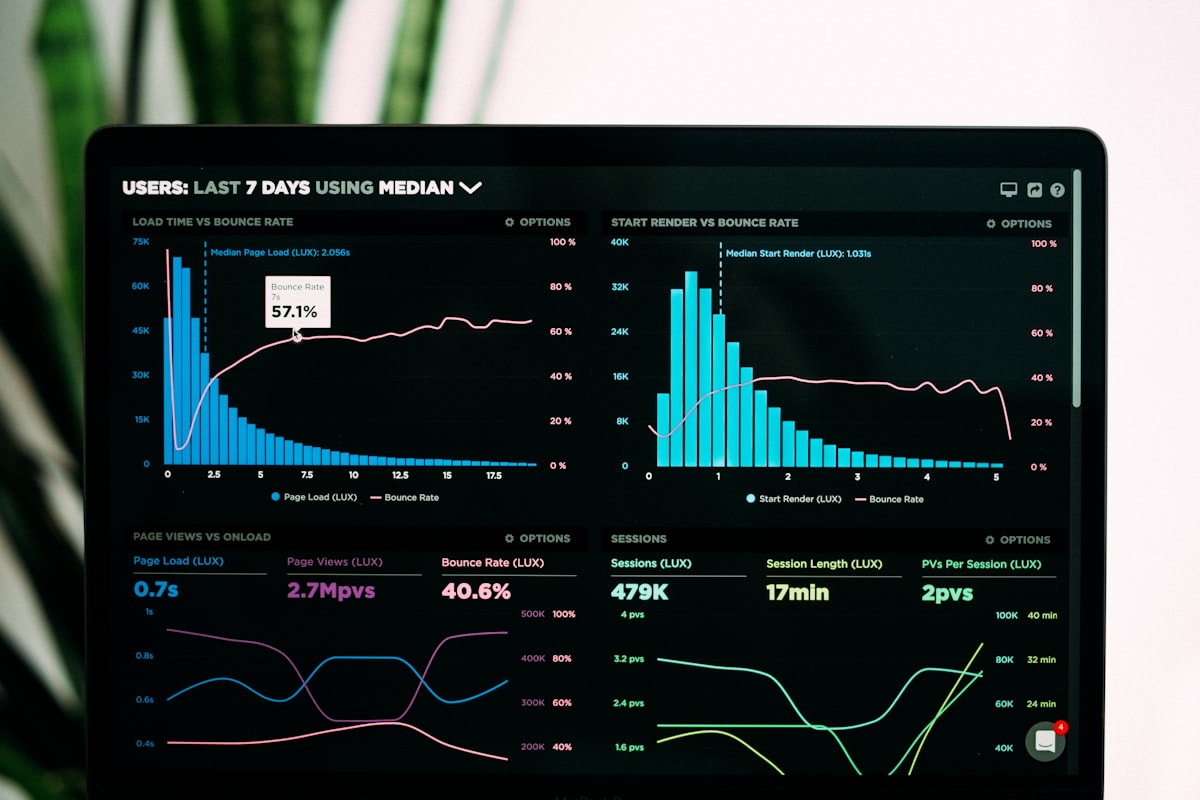
How to Present Startup Analytics to Investors (No Analyst Needed)
Learn how to present startup analytics to investors professionally. Create data rooms, generate reports, and answer due diligence questions without a data team.
-

Monday Startup Metrics: 5 Questions Every Founder Should Ask
A practical Monday startup metrics routine for founders. Five essential questions to ask your data weekly, with examples and how to get instant answers.