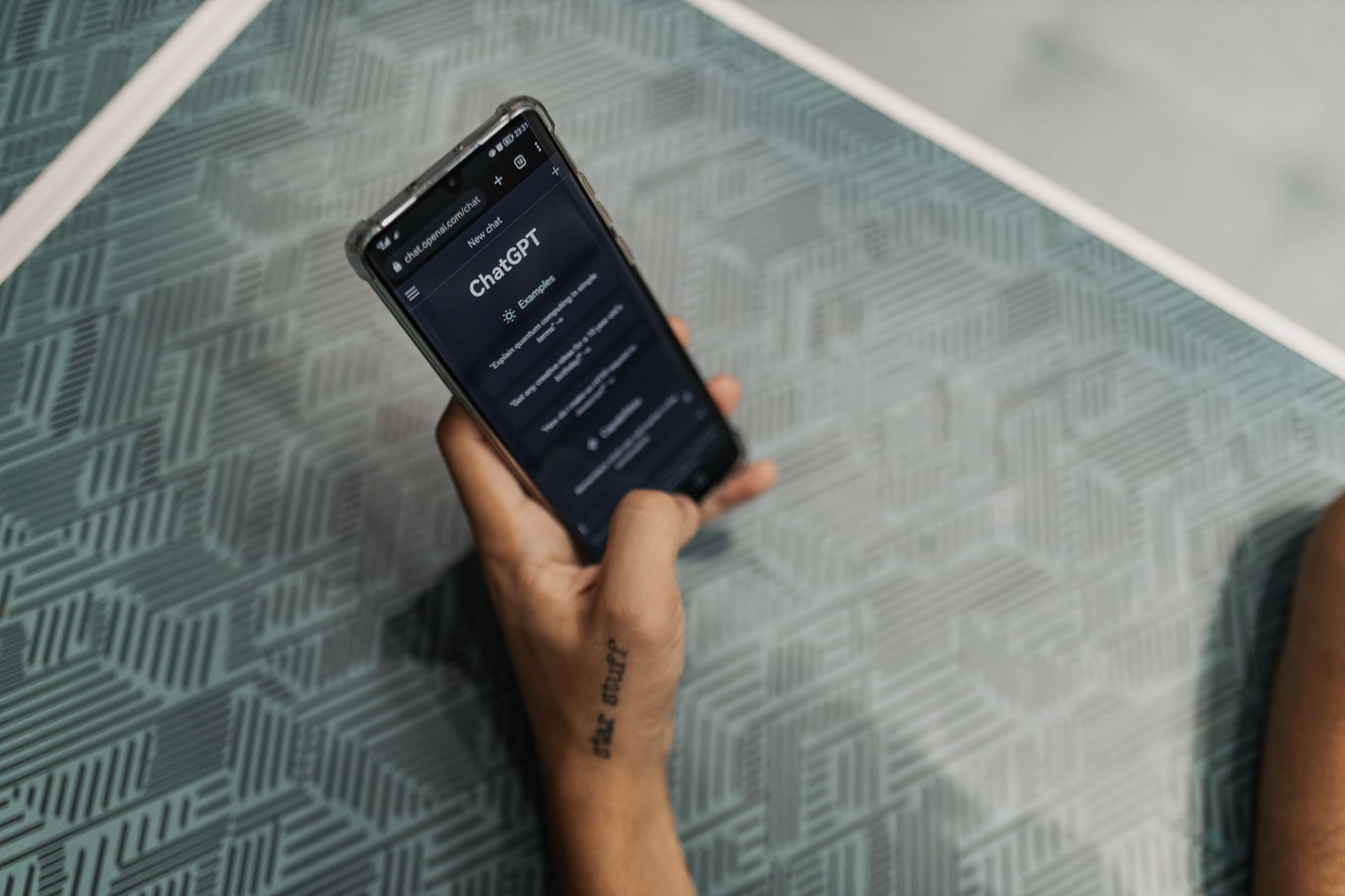
TL;DR: You can connect ChatGPT to Shopware in about two minutes using datavessel’s MCP server — the same connector mechanism tools like Windsor.AI use in the ChatGPT desktop app. Once connected, ChatGPT reads your orders, products and categories, drafts product copy in German or English, and proposes changes that only execute after your approval. No Shopware plugin, no code.
This is the Shopware edition of the ChatGPT guides — same two-minute setup for Shopify and WooCommerce, and all three are doors into the same connect-your-store setup.
A question we hear from Shopware merchants almost word for word: “Is there a plugin so we can use this directly inside ChatGPT?” The answer is better than a plugin. ChatGPT’s desktop app supports custom connectors over the Model Context Protocol (MCP), and datavessel is an MCP server. That means you can connect ChatGPT to Shopware the same way you’d add any other connector — paste one URL, sign in, done.
This guide walks through the exact setup, what ChatGPT can do with your shop once connected, and how writes stay under your control.
What You Can Do Once You Connect ChatGPT to Shopware
After connecting, ChatGPT sees your shop through 37 typed Shopware tools — storefront and Admin API. In practice, that means questions and tasks like:
- “Which orders are stuck in payment for more than five days?”
- “List products in the Kühlaggregate category with descriptions under 200 characters”
- “Draft a better German product description for article 237300 — keep the technical specs out of the first sentence”
- “Set search keywords on this category so customers find it even with typos”
- “Cancel order #10412 and restock it” — proposed, then executed only after you approve
Reads run freely. Writes — anything that changes the shop — pause for your sign-off first. More on that below.
Requirements
- A ChatGPT plan that supports custom connectors (Plus, Team or Business), with developer mode enabled in settings
- A free datavessel account with your Shopware shop connected (Admin API credentials — about five minutes, no plugin installed on the shop)
- Shopware 6, cloud or self-hosted
How to Connect ChatGPT to Shopware: Step by Step
Step 1: Connect Your Shop to datavessel
Sign in at app.datavessel.io, add Shopware as a source, and enter your shop’s Admin API credentials. datavessel validates the connection and your shop’s tools become available immediately. Nothing is installed on the shop itself — the connection is API credentials, which you can revoke at any time.
Step 2: Enable Developer Mode in ChatGPT
Open the ChatGPT desktop app, go to Settings → Connectors, and enable developer mode. This is what unlocks adding custom MCP connectors alongside the built-in ones.
Step 3: Add the datavessel Connector
Still in Connectors, choose to add a custom connector and enter this URL:
https://mcp.datavessel.io/mcpChatGPT will open a sign-in window. Log in with your datavessel account and grant access. That’s the whole setup — the Shopware tools now appear in ChatGPT’s connector list.
Step 4: Ask Your First Question
Start a new chat and ask something concrete: “What can you see in my Shopware shop?” ChatGPT will call the shop-info and sales-channel tools and answer from your live data — your channels, languages and currencies, not a generic description.
What About Changes to the Shop? You Approve Them.
This is the part a raw API key can’t give you. Of the 37 Shopware tools, 13 change the shop — order state transitions, refunds through the payment state machine, product creation, CMS and landing-page edits. Every one of those is gated: ChatGPT proposes the change, and it waits in your datavessel sign-off inbox (web or mobile) until you approve it.
Two more guardrails worth knowing. New products are created inactive by default, so nothing appears in your storefront by accident. And every approved change lands in an audit ledger — what changed, on which shop, approved by whom. Your shop’s history stays reviewable, whoever (or whatever) did the work.
One Connector for the Shop and Your Ads Data
Merchants often run separate ChatGPT connectors for Facebook Ads and Google Ads reporting. datavessel serves Google Ads, Meta, Google Analytics 4 and Search Console through the same connector as the shop. Consequently, cross-cutting questions become one prompt:
- “Which ad campaigns point at products that are nearly sold out?”
- “Compare last week’s Google Ads spend against actual Shopware revenue”
- “Which search queries bring traffic to category pages with thin descriptions?”
One connector, one sign-in, shop and marketing data side by side.
Does It Work in German?
Yes — and for most Shopware shops that matters more than any feature list. The agents read and write German product copy, generate German search keywords and synonyms (including the misspellings customers actually type), and draft German customer replies. Ask in German, work in German.
ChatGPT, Claude, or Both?
The endpoint is standard MCP, so it isn’t tied to one assistant. The same URL works in Claude Desktop and Claude Code, the Gemini CLI, Cursor and other MCP clients. Teams that use ChatGPT for daily work and Claude for heavier agent runs connect both — same shop, same approval gate, same ledger.
Beyond Chat: Scheduled Jobs
Chat is where you explore; operations are recurring. Inside datavessel, the same tools power scheduled agents — a weekly product-copy refresh, an order desk sweep, an SEO audit — each deployed with a policy that decides when it runs and whether it asks you first. Start in ChatGPT, and when a task becomes routine, hand it to a policy.
Frequently Asked Questions
Do I need to install anything on my Shopware server?
No. The connection uses Shopware’s Admin API with credentials you create and can revoke. There is no plugin on the shop. If your shop is on Shopware 6.7.14 or later it also has a native MCP server built in; how that compares to this setup is in Shopware MCP server: native vs datavessel.
Can ChatGPT break something in my shop?
Writes are approval-gated by default: nothing changes until you sign it off, and every change is recorded in the ledger. Order-state changes follow Shopware’s own state machine, so illegal transitions are refused.
What does it cost to run?
datavessel plans are priced by connected stores, free for one store. Model usage runs through your ChatGPT subscription in this setup — datavessel adds no markup on AI usage.
Which Shopware versions are supported?
Shopware 6, via the Store API and Admin API — cloud and self-hosted.
Set It Up Now
Connect your shop at datavessel.io/integrations/shopware, add the connector URL in ChatGPT, and ask your first question. Setup is about two minutes; the first useful answer usually takes one more.
Leave a Reply