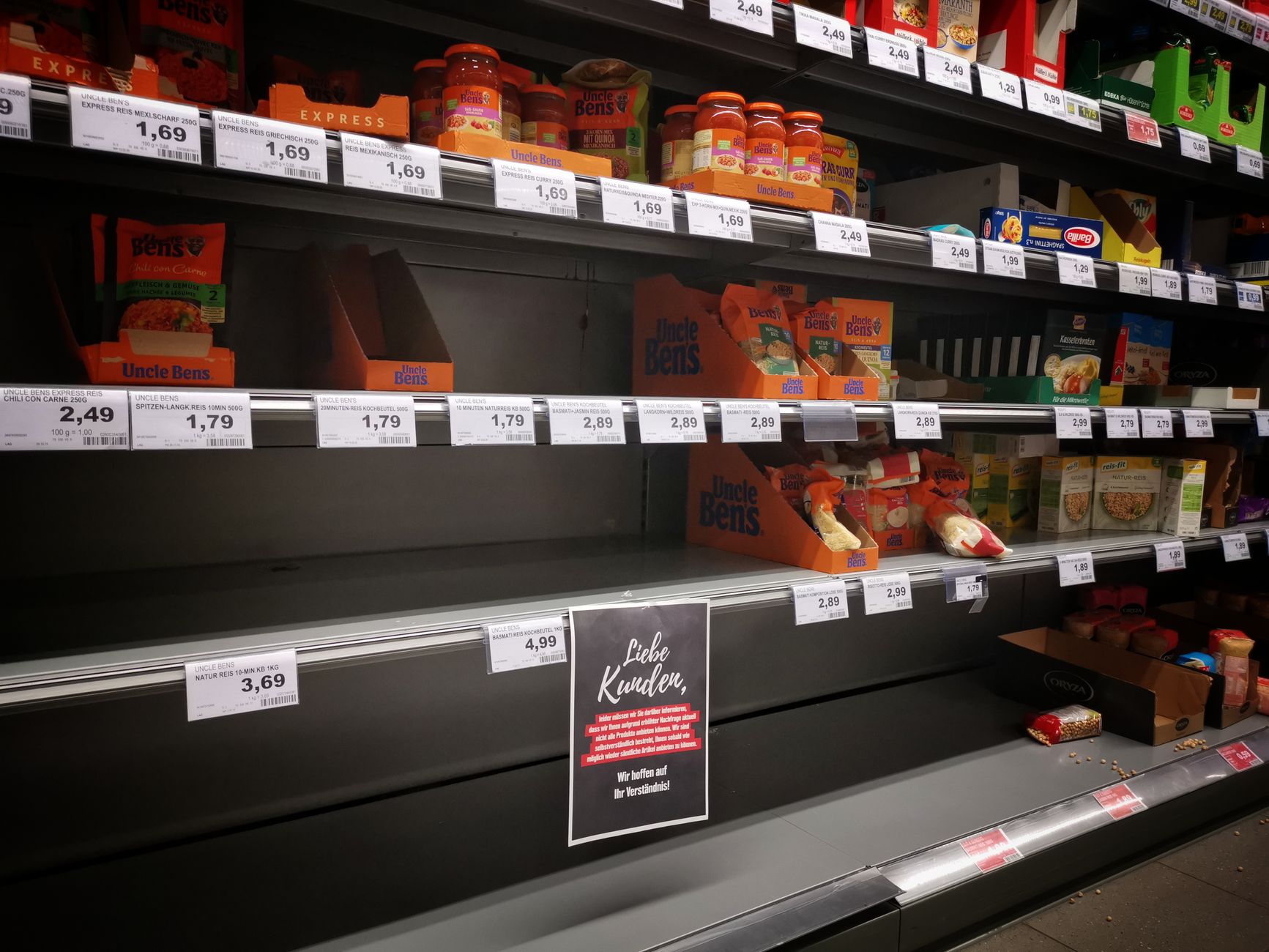
Ads pointing at out-of-stock products burn budget on clicks that cannot convert — and the fix is one of three things: a manual stock-vs-ads audit (free, but you have to remember), feed and inventory rules in your ad platform (automatic, but narrow), or an agent that cross-checks inventory against active campaigns and pauses the misfires for you. This is one of the clearest jobs for e-commerce autopilot, because the leak is invisible from inside any single tool: the ad platform doesn’t know your stock, and your store doesn’t know your ads.
Why this leak is so common
Nobody decides to advertise a sold-out product. It happens in the gap between systems:
- Your store knows the product sold out at 2 p.m. Tuesday.
- Your ad account knows nothing — the campaign keeps optimizing, spending, and sending traffic to a page that can’t sell.
- You find out whenever you next cross-reference the two by hand. For most founders, that’s somewhere between “days” and “at the monthly review.”
Every hour in that gap is pure waste: full click costs, zero possible revenue. Worse, the landing experience (a dead or “sold out” page) drags down quality scores and pixel data, so the damage outlasts the restock. And if the sold-out product was a bestseller, you’re often paying to advertise it while wondering why sales dropped.
Fix 1: The manual audit (free, fragile)
Once a week, export your active ads and shopping products, list every destination product, and check stock on each. Pause anything sold out; note anything low-stock for the next check.
It works, and it’s worth doing once right now just to size your leak — most stores find at least one misfire on the first pass. But as a system it fails on the only dimension that matters: the leak reopens the moment a product sells out on a Tuesday afternoon, and your audit is Sunday.
Fix 2: Platform rules and feed settings (automatic, narrow)
Both major platforms can help — partially:
- Google Shopping / Performance Max: your product feed carries availability; sold-out items drop out of Shopping ads once the feed syncs. Mind the sync lag (up to a day on some setups) — and remember feed availability does nothing for search ads or display campaigns pointing at product URLs.
- Meta catalog ads: same story — catalog availability rules cover dynamic catalog ads, not regular link ads a human pointed at a product page.
- Scripts and automated rules can pause on conditions like “conversions = 0 over N days” — a proxy that fires days late and also catches perfectly healthy slow movers.
Rules are worth switching on. Their shared blind spot: they only see their own platform, only their own ad formats, and they know availability — not why — so nothing tells your ads about tomorrow’s restock, and nothing watches the campaigns outside the catalog system.
Fix 3: An agent that watches both sides (the autopilot answer)
The actual shape of the problem is cross-system: inventory lives in Shopify, WooCommerce, or Shopware; spend lives in Google and Meta. So the durable fix is a watcher connected to both:
- Detect — continuously cross-reference active campaigns, ad destinations, and live stock across every store and ad account.
- Decide — distinguish “sold out, restock unknown → pause now” from “low stock, restocking Friday → leave it, flag it.”
- Act — pause the misfiring campaigns or ads.
- Approve — anything touching live spend shows up as a one-tap approval with the reasoning attached, unless you’ve deliberately put this exact workflow on hands-off. (It’s a classic first candidate for full autopilot: low risk, obviously correct, annoying to do by hand.)
Same loop in reverse on restock day: the agent notices stock is back and proposes resuming what it paused — the half of the job every manual process forgets.
Prevent the leak from reopening
Whichever fix you choose, three habits keep the gap closed:
- Watch your top sellers hardest. The expensive version of this leak is always a bestseller — highest ad spend meets fastest sellout.
- Treat “low stock” as an ads signal, not just a purchasing one. The best time to slow a campaign is before the sellout, not after.
- Check the whole stack, not just Shopping. Search ads, display, and social link ads pointing at product URLs are exactly the formats feed rules never cover.
Frequently asked questions
Why are my ads still showing an out-of-stock product?
Because your ad platform doesn’t know your stock. Feeds sync availability with a lag and only cover catalog/Shopping formats — search, display, and social link ads pointed at product URLs keep running until something that can see both systems pauses them.
Does Google automatically stop ads for out-of-stock products?
Only partially: Shopping and Performance Max drop items when the product feed updates (with sync lag, sometimes up to a day). Search and display campaigns pointing at product pages are never paused automatically.
How do I pause ads when a product sells out on Shopify, WooCommerce, or Shopware?
Three options in rising order of coverage: a weekly manual stock-vs-ads audit, your platform’s feed availability rules, or a cross-system watcher that checks live inventory against every active campaign and pauses misfires — then proposes resuming them on restock.
How much money do out-of-stock ads actually waste?
Every click is full price for zero possible conversion — and the damage compounds: sold-out landing pages degrade quality scores and pixel data past the restock. Most stores find at least one live misfire on their first audit.
The bottom line
Run the manual audit once today — it tells you what the leak costs. Turn on your platforms’ availability rules — they close part of the gap for free. And if the audit found real money, put a cross-system watcher on the job so the gap stays closed on Tuesday afternoons, not just audit Sundays.
Watch an agent catch paid traffic pointed at a dead page — and pause it with one tap: see it live →
Leave a Reply