
Google used to send visitors to your website. Now it answers questions directly. The zero-click search phenomenon has reached a tipping point: 60% of all searches end without anyone clicking a single result. When AI Overviews appear, that number jumps to 93%. Your content still gets consumed—just not on your site.
This isn’t a prediction. It’s current data that’s reshaping how businesses think about search visibility, traffic metrics, and the value of ranking first.
The Numbers Behind Zero-Click Search
According to Click Vision’s 2025 analysis, zero-click searches have reached 58-60% in the United States. But that average obscures a more dramatic shift happening with AI-powered results.
When Google displays an AI Overview—its synthesized answer at the top of results—the zero-click rate climbs to 83% according to Dataslayer research. Eight out of ten users get what they need without scrolling past the AI summary.
The impact on click-through rates is severe:
- 61% drop in organic CTR for queries with AI Overviews (Seer Interactive)
- 68% drop in paid CTR on the same queries
- Only 1% of users click sources cited within AI Overviews
- 26% of users leave Google entirely after reading the AI answer

Why This Is Happening Now
Google’s AI Overviews expanded dramatically following the March 2025 core update—a 116% increase in queries showing AI-generated summaries. Currently, 21% of all Google searches trigger an AI Overview, with projections suggesting 25-30% by late 2026.
Certain industries saw even steeper growth:
- Entertainment: 528% increase in AI Overview appearances
- Restaurants: 387% increase
- Travel: 381% increase
The pattern is clear: informational queries—the kind that drive educational content strategies—are most affected. Research from Superlines found that 99% of AI Overviews appear for informational search intent.
What Zero-Click Search Means for Your Business
The knee-jerk reaction is panic. If clicks are disappearing, is SEO dead? The reality is more nuanced.
Traffic Volume Will Decline
Gartner predicts search engine volume will drop 25% by 2026 due to AI usage. Bain & Company estimates organic traffic reductions of 15-25% for businesses relying on informational content.
For founders tracking website visits as a primary KPI, this is a structural shift—not a temporary dip.
But Intent Density Increases
The users who do click through are further along in their decision process. Casual researchers get answers in the AI summary. Serious buyers, comparison shoppers, and people ready to act still visit websites.
This means conversion rates may improve even as traffic declines. The metric that matters shifts from sessions to qualified actions.
Brand Visibility Still Matters
Here’s the counterintuitive finding: brands cited in AI Overviews see 35% more organic clicks and 91% more paid clicks than uncited competitors. The zero-click user may not visit your site, but they saw your brand as the authority.
Being cited—even without getting the click—builds awareness that converts later through direct searches, referrals, or brand recall.
Adapting to Zero-Click Search
The businesses thriving in this environment aren’t fighting the trend. They’re optimizing for visibility in AI answers rather than just traditional rankings.
1. Optimize for AI Citations
The top 50 global domains account for 30% of all AI Overview mentions. Reddit, Wikipedia, Quora, and YouTube lead citations. If your content earns references from these sources, you’re more likely to appear in AI summaries.
2. Focus on Transactional and Commercial Intent
Informational queries trigger AI Overviews 99% of the time. Commercial and transactional queries—”best CRM for startups,” “buy running shoes online”—still drive clicks. Shift content strategy toward decision-stage topics.
3. Build Direct Audience Relationships
Email lists, communities, and owned audiences don’t depend on Google’s algorithm. Every subscriber is a direct connection that zero-click search can’t intercept.
4. Track Visibility, Not Just Traffic
Traditional analytics miss the picture when users see your brand in AI summaries but don’t click. Consider tracking:
- Brand search volume trends
- Direct traffic growth
- Citation monitoring in AI results
- Conversion rate alongside traffic
What This Means for Analytics
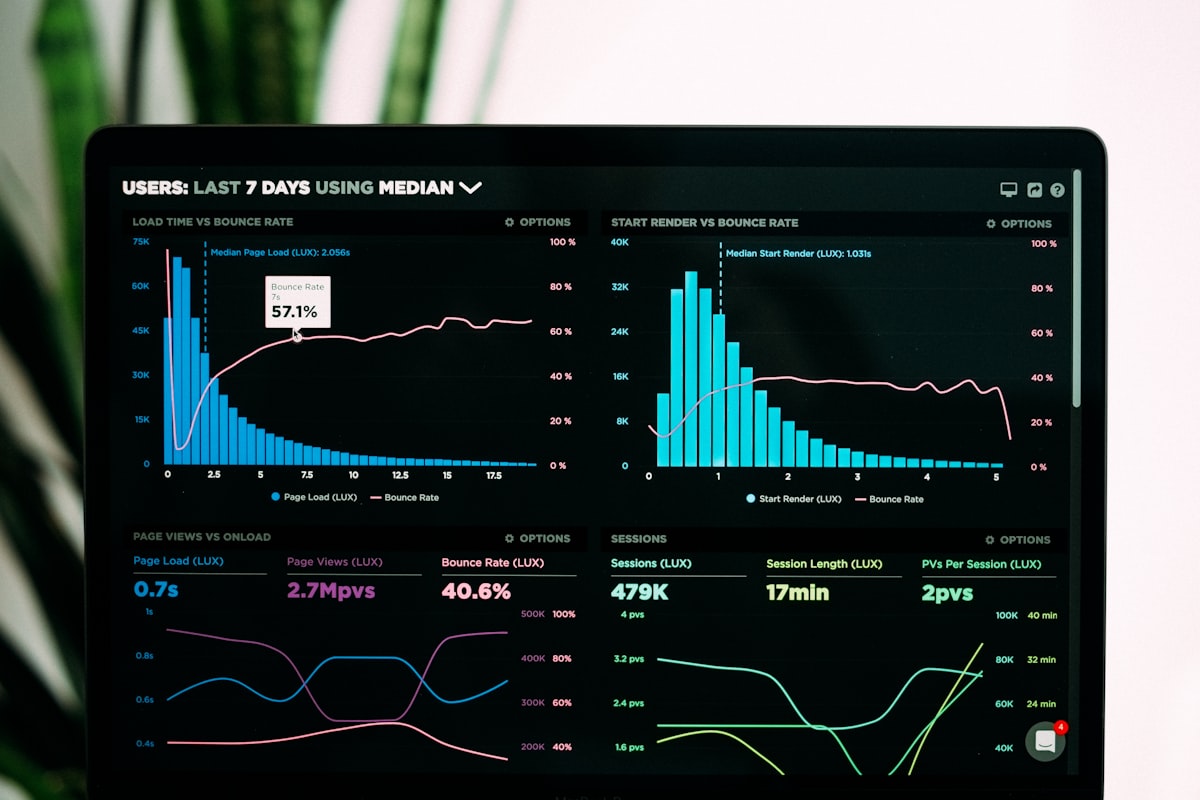
If 60% of searches don’t generate clicks, your Google Analytics data shows an increasingly incomplete picture. The users researching your category, comparing options, and forming opinions may never appear in your traffic reports.
This creates a measurement gap. You need to understand:
- Which queries show AI Overviews for your target keywords
- Whether your brand appears in those summaries
- How branded search volume correlates with AI visibility
- Conversion performance of the traffic you do receive
Tools that connect search console data with revenue metrics become essential. Understanding the quality of traffic matters more than quantity when zero-click search filters out casual browsers.
Key Takeaways
Zero-click search isn’t a future threat—it’s the current reality. 60% of searches end without clicks, rising to 83-93% when AI summaries appear. The businesses adapting fastest are those that:
- Accept that traffic volume will decline for informational content
- Optimize for AI citations and brand visibility, not just rankings
- Shift focus to transactional queries and owned audiences
- Track metrics beyond pageviews—conversion rate, brand search, direct traffic
The search landscape has changed. Your measurement strategy should too.
Need to understand how zero-click trends affect your business? DataVessel connects your Search Console and analytics data to AI—ask questions about your traffic, conversions, and search visibility in plain English.
Leave a Reply