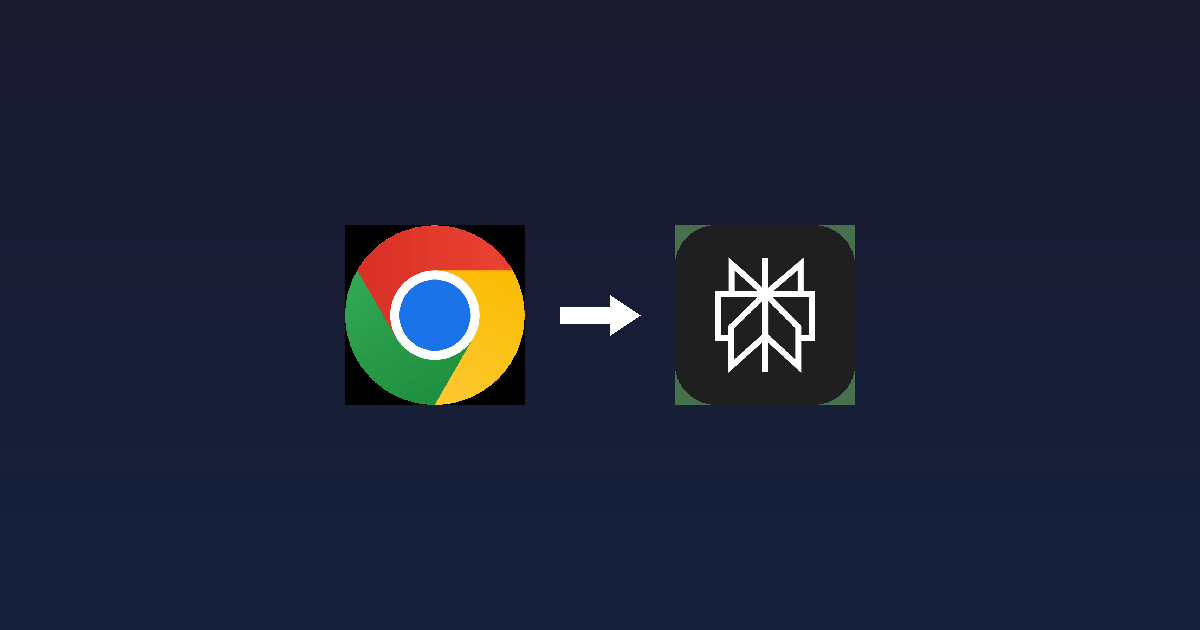
TL;DR: Perplexity AI offered $34.5 billion for Google Chrome in August 2025—nearly double its own valuation. The Perplexity Chrome bid wasn’t expected to succeed; it was designed to set market expectations before the antitrust ruling. Google kept Chrome, but the DOJ is now appealing. The battle for search distribution continues.
When Perplexity AI submitted an unsolicited Perplexity Chrome bid of $34.5 billion last August, the tech industry dismissed it as a publicity stunt. The offer exceeded Perplexity’s own $18 billion valuation. Google had just lost its antitrust case, and a federal judge was weighing whether to force a Chrome divestiture. The timing wasn’t coincidental—it was calculated.
Six months later, the picture has shifted. Google retained Chrome after the court declined to mandate a sale, but the Department of Justice filed an appeal on February 3, 2026. The battle for control of browser distribution—and by extension, AI search—is far from over.
Why Perplexity Made the Bid
Perplexity’s move wasn’t about acquiring Chrome. It was about controlling the narrative.
According to Semafor’s January 2026 report, Perplexity had built Comet—an AI-native browser running on Chromium, Chrome’s open-source foundation. If Google sold Chrome to a different buyer, that owner could alter Chromium’s open-source structure, potentially breaking Comet’s functionality.
Jesse Dwyer, Perplexity’s head of communication, explained the strategy: “We needed those terms to be public before the decision of the judge. We didn’t expect them to sell Chrome.”
The bid established a pricing benchmark. If Chrome ever hits the market, Perplexity’s $34.5 billion offer becomes the floor that future bidders must consider—even if analysts like Robert W. Baird’s Colin Sebastian argue Chrome could be worth closer to $100 billion.
The Antitrust Context
The Perplexity Chrome bid emerged from Google’s landmark antitrust defeat. In August 2024, U.S. District Judge Amit Mehta ruled that Google violated antitrust laws by maintaining an illegal monopoly in search through exclusive default agreements with browser makers and device manufacturers.
The DOJ’s proposed remedy was aggressive: force Google to divest Chrome entirely. The reasoning was straightforward—Chrome commands roughly 67% of global browser market share, serving over 3 billion users. That distribution power keeps Google Search as the default for most internet users worldwide.
Judge Mehta ultimately stopped short of ordering divestiture. But the February 2026 appeal signals the DOJ isn’t finished. State attorneys general have joined the appeal, seeking stricter remedies than the September 2025 ruling provided.
The Competition for Chrome
Perplexity wasn’t alone in circling Chrome. OpenAI, Yahoo, and private equity firm Apollo Global Management all expressed interest in acquiring the browser if Google was forced to sell.
The strategic value is obvious. Whoever controls Chrome controls the distribution layer for search and AI experiences. As Fortune reported, acquiring Chrome would let Perplexity place its AI search capabilities directly in front of billions of users—instead of competing against Google’s bundled ecosystem.
DuckDuckGo CEO Gabriel Weinberg testified that Chrome could be worth upwards of $50 billion, while some analysts place the figure even higher. The gap between Perplexity’s $34.5 billion offer and these estimates shows how much strategic premium a buyer would pay for direct access to Chrome’s user base.
What Happens Next
The DOJ’s appeal changes the calculus. If higher courts agree that the September ruling was too lenient, Google could face renewed pressure to divest Chrome or accept more restrictive remedies.
For Perplexity, the original bid served its purpose regardless of outcome. The company established itself as a serious player in the Chrome conversation and protected its strategic interests in Chromium’s open-source future. Now Perplexity faces different challenges—including multiple lawsuits, particularly from Amazon—that could reshape how AI agents interact with the broader internet.
The AI search wars have entered a new phase. Browser distribution may determine which AI assistant reaches users by default. Google’s dominance in search was built partly on controlling that distribution through Chrome. Any company seeking to challenge that position will need a distribution strategy of its own.
Why This Matters for Business Data
The fight over search distribution reflects a broader shift: AI is becoming the interface layer between users and information. Whether you’re searching the web, analyzing your business data, or managing your e-commerce store, the question is increasingly which AI assistant mediates that experience.
DataVessel takes this same principle—conversational AI as the interface layer—and applies it to your business analytics. Instead of navigating complex dashboards or learning new tools, you ask questions in plain English and get answers from your Shopify, WooCommerce, Google Analytics, or Search Console data.
The browsers and AI assistants will keep fighting over general search. For your specific business data, conversational analytics is already here.
Key Takeaways
The Perplexity Chrome bid revealed how high the stakes are in AI search competition. Browser distribution determines which AI reaches users by default, and Chrome’s 3 billion users represent the biggest prize in the market.
With the DOJ appeal ongoing and multiple companies positioning for Chrome acquisition, this story is far from finished. The outcome will shape whether AI search remains a Google-dominated market or opens to meaningful competition.
Want AI-powered insights for your own business data? Try DataVessel and start asking questions about your analytics, e-commerce, and marketing data in plain English.
Leave a Reply