TL;DR: Google Chrome announced WebMCP, a new standard for AI agents to interact with websites. This validates the bet we made early on: MCP is becoming the universal language for AI agents. datavessel users are already positioned to benefit.
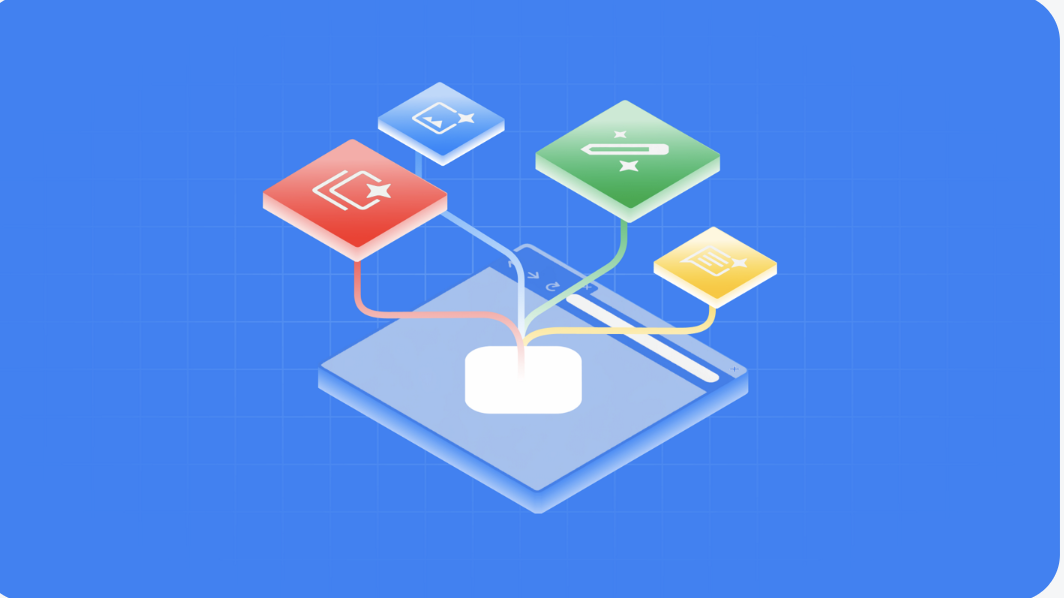
On February 10, 2026, Google Chrome announced WebMCP—a new standard that gives AI agents structured ways to interact with websites. It’s currently in Early Preview, but the implications are significant.
For us at datavessel, this announcement validates a decision we made months ago: building our entire agent platform on the Model Context Protocol (MCP).
What WebMCP Does
WebMCP solves a fundamental problem: AI agents struggle to interact reliably with websites. They’ve been forced to interpret DOM elements through trial-and-error, leading to brittle automations that break when layouts change.
WebMCP provides a direct communication channel between websites and agents through two APIs:
- Declarative API — Structured data embedded in HTML that agents can reliably parse
- Imperative API — JavaScript-based interactions for complex, dynamic tasks
The result: agents can search products, configure options, navigate checkout flows, populate support tickets, and book flights—all with precision instead of guesswork.
Why This Validates Our MCP Bet
When we built datavessel, we chose MCP as our foundation. Not because it was the popular choice—it wasn’t, at the time—but because we saw where the industry was heading.
MCP provides a standardized way for AI agents to connect to data sources: analytics platforms, e-commerce stores, search consoles, Slack workspaces. It’s the protocol that makes our multi-source agents possible.
WebMCP extends this same philosophy to websites themselves. Where MCP connects agents to data, WebMCP connects agents to web interfaces. Together, they form a complete stack for autonomous AI agents.
Google’s investment in this standard confirms what we believed: the future of AI agents runs on open, structured protocols—not proprietary integrations that break at scale.
What This Means for datavessel Users
If you’re already using datavessel agents, you’re positioned for what’s coming:
- Same protocol family — As WebMCP matures, expect natural integration with MCP-based systems like datavessel
- Expanded agent capabilities — Your agents will eventually interact with WebMCP-enabled websites the same way they interact with your analytics and Slack today
- Early adopter advantage — Organizations already running MCP-based agents will adapt faster than those starting from scratch
The Agent Protocol Stack Is Forming
We’re watching a protocol stack emerge in real-time:
- MCP — Agent-to-data-source communication
- WebMCP — Agent-to-website communication
- What’s next? — Agent-to-agent communication protocols are likely coming
This is similar to how HTTP, TCP/IP, and DNS formed the stack that made the web possible. The agent era is getting its own infrastructure layer.
What We’re Doing About It
We’re monitoring WebMCP’s Early Preview Program closely. As the standard matures and exits preview, expect datavessel to support WebMCP-enabled websites as sources—letting your agents interact with the web as fluidly as they interact with your Google Analytics or Shopify store today.
The bet we made on MCP is paying off. The protocol ecosystem is growing, and datavessel users are already on the right side of it.
Leave a Reply